
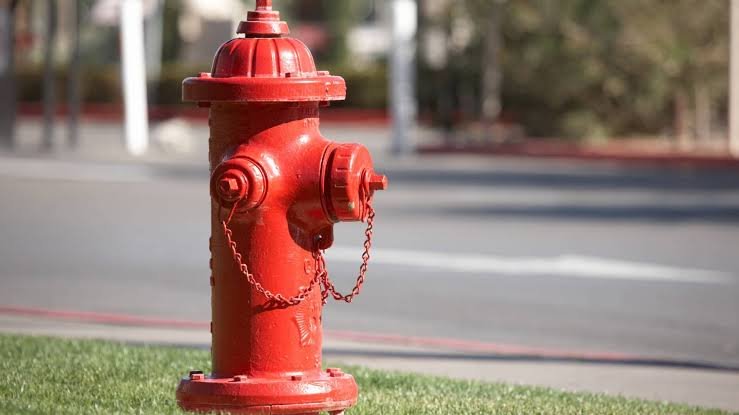
Fire safety at home is often associated with smoke alarms, fire extinguishers, and emergency escape plans. However, water-based firefighting systems can also play an important role in protecting residential properties, particularly larger homes, apartment complexes, high-rise buildings, and other properties where a dedicated firefighting water supply is appropriate.
A fire hydrant system provides access to water for firefighting through a network of pipes, valves, hoses, pumps, and related equipment. These systems are designed to provide a dependable water supply when a fire needs to be controlled.
It is important to understand that every individual house does not automatically require its own dedicated hydrant network. The appropriate fire-protection system depends on factors such as the building’s size, occupancy, height, layout, fire risk, local requirements, and the building’s overall fire-safety design.
For residential properties in Pakistan, fire protection should be considered as a complete system rather than a collection of unrelated products. A fire alarm, for example, provides warning, while a hydrant system can provide firefighting water. Escape routes allow occupants to leave safely, and other equipment can provide additional layers of protection.
The Pakistan Engineering Council lists the Building Code of Pakistan – Fire Safety Provisions 2016 among its published building codes and standards.
What Is a Fire Hydrant System?
A fire hydrant system is a fixed firefighting arrangement designed to provide water at designated points throughout or around a property.
A typical system can include:
- Fire-water storage
- Fire pumps
- Pipe networks
- Hydrant valves
- Landing valves
- Fire hoses
- Hose reels
- Branch pipes and nozzles
- Hydrant pillars
- Pump control equipment
The exact components vary according to the building’s design and fire-protection requirements.
Flame Defender describes hydrant systems as fixed fire-protection systems that provide water through hydrant outlets, hose reels, landing valves, pipes, and pumps. Its systems are designed for larger commercial, industrial, and residential-complex applications.
The basic idea is straightforward: instead of relying only on portable firefighting equipment, a hydrant network can provide a dedicated source of water at strategically planned locations.
Do All Homes Need a Fire Hydrant?
This is one of the most important questions to answer correctly.
A small detached house does not necessarily require the same fire-protection infrastructure as a high-rise residential building. A dedicated hydrant network can involve substantial pipework, water storage, pumps, valves, maintenance, and professional design.
Residential buildings with greater height, larger occupant populations, shared spaces, underground parking, multiple floors, or other significant risks may have different fire-protection requirements.
The Building Code of Pakistan includes different requirements for different types of occupancies and buildings. For example, its provisions address residential occupancy categories and reference fire-protection arrangements applicable to those buildings.
Therefore, the better question is not simply, “Does every house need a hydrant?”
The better question is:
“What level of fire protection is appropriate for this particular residential property?”
That assessment can include alarms, smoke detection, extinguishers, sprinklers, hydrants, emergency lighting, escape routes, and other measures.
Why Water-Based Fire Protection Matters
Water is widely used as a firefighting medium because it can help control many ordinary combustible-material fires.
A dedicated water network can provide firefighters or trained personnel with access to a substantial water supply without requiring them to rely exclusively on portable extinguishers.
This can be particularly useful in larger properties where a fire may involve a greater area or where firefighters need access to water at different parts of the building.
A hydrant should therefore be viewed as part of a wider fire-protection strategy.
It is not a replacement for fire alarms.
It is not a replacement for evacuation.
And it is not a reason for untrained occupants to approach a dangerous fire.
Fire Hydrants and Fire Alarms Work Differently
One common misunderstanding is that a hydrant system and a fire alarm system perform the same job.
They do not.
A fire alarm system is primarily concerned with detection, notification, and communication.
A hydrant system is primarily concerned with providing water for firefighting.
These systems can complement each other.
For example, a detection system may identify a fire and alert occupants. People can then follow the evacuation plan, while trained responders or firefighters use appropriate firefighting equipment and building systems.
The Building Code of Pakistan Fire Safety Provisions includes a section on detection, alarm, and communications systems. It states that where building fire alarm systems or automatic fire detectors are required, they should be provided and installed according to the applicable provisions and recognized standards.
This illustrates why fire protection should be considered as a collection of coordinated measures rather than one piece of equipment.
The Role of a Fire Alarm System in Pakistan
A fire alarm system in Pakistan can provide an important early-warning layer in residential and other buildings where such systems are appropriate.
Depending on the system design, components can include smoke detectors, heat detectors, manual fire alarm points, control panels, sounders, visual notification devices, monitoring functions, and power supplies.
The Building Code’s fire-alarm provisions include functions such as manual alarm initiation, automatic alarm and supervisory signals, monitoring of abnormal conditions in suppression systems, activation of notification appliances, and other emergency functions.
For residential properties, the exact system should be selected according to the building’s characteristics and applicable requirements.
A fire alarm warns people.
A hydrant provides firefighting water.
An evacuation plan provides a route to safety.
Each has a different purpose.
Fire Hydrants in Apartment Buildings
Apartment buildings are an important example of where fixed fire-protection systems may become more relevant.
A large apartment building can contain many families, shared corridors, stairways, electrical rooms, parking areas, storage spaces, and mechanical equipment.
The number of occupants and the building’s height can make fire protection more complex than it is in a small detached house.
In such properties, fire protection may involve multiple systems working together.
Depending on the applicable design and requirements, these can include:
- Fire alarm systems
- Smoke detection
- Fire extinguishers
- Automatic sprinklers
- Hydrant or standpipe systems
- Fire pumps
- Water storage
- Emergency lighting
- Exit signs
- Fire-rated construction
- Emergency communication
- Evacuation plans
The appropriate combination should be determined through professional fire-safety design rather than by simply installing individual products.
Main Components of a Residential Hydrant System
Fire Water Tank
A hydrant system needs an appropriate water supply.
Depending on the property, water may be stored in a dedicated fire-water tank or another approved arrangement designed for firefighting purposes.
The required capacity depends on the system design and applicable requirements.
Fire Pump
Water must be delivered at suitable pressure and flow for the system.
A fire pump can help move water through the network when required.
Pump arrangements vary according to the size and design of the installation.
Pipe Network
Pipes distribute water to hydrant points throughout the protected area.
The network must be appropriately designed for the building’s layout, hydraulic requirements, and expected firefighting needs.
Hydrant Valves
Hydrant valves provide controlled access to the water supply.
They need to remain accessible and properly maintained.
Fire Hoses
Hoses connect the water outlet to the firefighting nozzle or branch pipe.
They should be stored appropriately and inspected according to the system’s maintenance requirements.
Nozzles and Branch Pipes
These components help direct the water toward the intended area.
Their selection depends on the system’s design.
Why Hydrant Location Matters
A hydrant is useful only when it can provide practical access to the water supply.
During fire-safety planning, the locations of hydrant points, valves, hose stations, and other equipment need to be considered in relation to the building’s layout.
Equipment should not be hidden behind unrelated storage or placed where access can easily be obstructed.
This is particularly important in apartment buildings and shared residential areas.
Residents may not know the location of every firefighting component, but building management and responsible personnel should understand the system and ensure that access remains available.
Maintenance Is Just as Important as Installation
Installing a hydrant system does not mean the job is finished.
A system can remain unused for long periods, which can create a false sense of security.
Pipes, valves, hoses, pumps, tanks, and related components require appropriate inspection and maintenance.
Flame Defender notes that fire equipment—including hydrants, suppression systems, alarms, and extinguishers—needs ongoing maintenance to remain ready for an emergency.
Maintenance can involve checking:
- Fire pumps
- Water pressure
- Valves
- Hoses
- Hose reels
- Pipework
- Storage tanks
- Control equipment
- Connections
- Physical accessibility
- Signs of damage or corrosion
The exact inspection and testing schedule should follow the system design, manufacturer’s instructions, applicable standards, and local requirements.
What Happens If a Hydrant System Is Neglected?
Neglected fire equipment may not perform as expected when it is needed.
For example, a valve may become difficult to operate, a hose may deteriorate, a pump may develop a fault, or another part of the system may no longer function correctly.
This is why maintenance is not merely administrative work.
It is part of keeping the fire-protection system ready.
The Building Code of Pakistan Fire Safety Provisions covers design, installation, maintenance, repair, servicing, and testing of fire-protection systems and equipment.
Fire Hydrants Are Not a Substitute for Evacuation
This point deserves special attention.
A hydrant system is a firefighting resource. It should not encourage ordinary residents to remain inside a dangerous building.
If a fire is spreading, smoke is increasing, exits are becoming unsafe, or occupants are otherwise at risk, the priority should be getting people to safety and contacting emergency services.
Firefighting should be handled by appropriately trained personnel.
A family should never assume that having a hydrant nearby means it is safe to approach a fire.
The purpose of a complete fire-protection system is to reduce risk and support safe emergency response—not to encourage people to take unnecessary risks.
Hydrants, Sprinklers, and Extinguishers: What’s the Difference?
These systems can all contribute to fire protection, but they operate differently.
Fire Extinguishers
Extinguishers are portable pieces of equipment intended for appropriate fire situations.
They are useful for certain small fires when conditions are safe and the person using them has appropriate knowledge.
Fire Sprinklers
Sprinkler systems are generally designed to respond automatically to heat and control or suppress fire according to the system design.
Fire Hydrants
Hydrant systems provide water through fixed outlets for firefighting operations.
Fire Alarms
Fire alarms provide warning and notification when a fire-related condition is detected.
A larger residential building may use several of these systems together.
Fire Safety for Homes in Pakistan
Pakistan has many different types of residential properties, ranging from small single-family homes to apartment towers and large residential developments.
Therefore, fire-safety solutions should not be identical for every property.
A small house may focus heavily on smoke detection, extinguishers, electrical safety, kitchen safety, and escape planning.
A large apartment complex may require considerably more infrastructure.
For example, larger properties may need professionally designed water-based firefighting systems alongside alarms, detection, emergency lighting, and evacuation arrangements.
The appropriate approach depends on the property’s characteristics and applicable requirements.
How Families Can Improve Fire Safety
Even when a dedicated hydrant system is not appropriate for an individual home, families can still improve fire preparedness.
Keep Escape Routes Clear
Do not use stairs, corridors, or doors needed for escape as storage areas.
Maintain Smoke Detection
Make sure appropriate alarms remain operational and are maintained according to their instructions.
Practice Electrical Safety
Do not ignore damaged wires, overheating equipment, sparks, or recurring electrical faults.
Take Cooking Risks Seriously
Avoid leaving cooking unattended when doing so creates a significant hazard.
Know the Emergency Plan
Every family member should know how to leave the home and where to gather afterward.
Maintain Fire Equipment
Extinguishers, alarms, and other protective equipment should not simply be purchased and forgotten.
Flame Defender’s fire-safety guidance similarly emphasizes prevention, detection, equipment maintenance, and evacuation planning as connected parts of household preparedness.
Fire Safety in Residential Complexes
Residents of apartment buildings should also understand that fire protection is a shared responsibility.
Building management should maintain common fire-safety systems, while residents should avoid blocking corridors, stairways, fire exits, hydrant cabinets, and other emergency equipment.
Residents should also take building alarms seriously.
If a building has a dedicated fire-safety system, management should ensure that residents receive appropriate information about evacuation procedures and emergency arrangements.
A technically sophisticated system cannot provide its full benefit if residents do not understand how to respond to an alarm.
Choosing a Professional Fire Safety Solution
Fire-protection design should be based on the property rather than on a generic package.
A professional assessment may consider:
- Building height
- Floor area
- Number of occupants
- Number of floors
- Residential layout
- Parking arrangements
- Water supply
- Fire load
- Escape routes
- Existing alarm systems
- Applicable requirements
- Fire-service access
For larger residential properties, professional hydraulic design may also be necessary for water-based firefighting systems.
Flame Defender states that it designs and constructs fire-hydrant networks with components such as high-volume standpipes, landing valves, outdoor cabinets, and fire pumps for larger applications in Pakistan and the UAE.
For information about fire-protection services, you can visit Flame Defender.
A Simple Residential Fire-Safety Checklist
Property owners and building managers can periodically review:
- [ ] Are emergency exits clear?
- [ ] Are fire alarms operational?
- [ ] Are smoke detectors maintained?
- [ ] Are extinguishers accessible?
- [ ] Are hydrant points accessible where installed?
- [ ] Are fire hoses in suitable condition?
- [ ] Are fire pumps maintained?
- [ ] Is the fire-water supply adequate for the system design?
- [ ] Are emergency lights maintained where applicable?
- [ ] Are residents aware of evacuation procedures?
- [ ] Are maintenance records available?
- [ ] Are faults corrected promptly?
- [ ] Are fire-safety systems professionally inspected where required?
A checklist cannot replace professional inspection, but it can help identify obvious problems that need attention.
Why a Layered Approach Works Better
The strongest fire-safety strategy does not depend on one piece of equipment.
Imagine a residential building with:
- Smoke detection to identify a potential fire.
- A fire alarm to notify occupants.
- Clear escape routes for evacuation.
- Emergency lighting to support movement where required.
- Fire extinguishers for appropriate situations.
- Sprinklers where required or designed.
- Hydrant systems for firefighting operations where applicable.
- Trained personnel and emergency procedures.
- Regular inspection and maintenance.
Each layer addresses a different part of the emergency.
This is why homeowners and residential-property managers should think about fire safety as a system rather than simply buying the most visible piece of equipment.
Conclusion
Fire hydrants can be an important part of residential fire protection, but the statement that every individual home needs a dedicated hydrant system is too broad.
The need for a hydrant network depends on the property’s size, height, occupancy, layout, risk profile, applicable requirements, and overall fire-protection design.
For larger residential complexes and high-rise buildings, hydrant systems can provide an important firefighting water supply. They can work alongside fire alarms, sprinklers, extinguishers, emergency lighting, evacuation plans, and other safety measures.
For a smaller home, other measures may be more appropriate, particularly smoke detection, safe electrical practices, kitchen safety, accessible escape routes, suitable extinguishers, and a family emergency plan.
The key principle is simple: fire protection should be designed around the building, not around a one-size-fits-all product.
Whether a property needs a hydrant system, a fire alarm, sprinklers, or another protective arrangement, proper design and regular maintenance are essential.
Most importantly, residents should understand that fire equipment supports emergency response but does not replace evacuation. When a fire becomes dangerous, protecting people and reaching a safe location should remain the priority.
Frequently Asked Questions
1. Does every home in Pakistan need a fire hydrant system?
No. A dedicated hydrant system is not automatically required for every individual home. Requirements can depend on building type, height, occupancy, size, risk, and applicable fire-safety provisions. Larger residential complexes may have greater need for fixed firefighting systems.
2. What is the purpose of a residential fire hydrant system?
A hydrant system provides a fixed water supply for firefighting through components such as pipes, valves, hoses, pumps, and hydrant outlets. It can support firefighting operations in buildings where such a system is appropriate.
3. Is a fire hydrant the same as a fire alarm?
No. A fire alarm is designed to detect or communicate a fire-related emergency and warn occupants. A hydrant system provides water for firefighting. They perform different functions and can work together as parts of a broader fire-protection strategy.
4. How often should a fire hydrant system be maintained?
The inspection and testing schedule depends on the system design, applicable standards, manufacturer requirements, and building circumstances. Pumps, valves, hoses, pipework, water supplies, and other components should be appropriately inspected and maintained.
5. Can residents use a hydrant to fight a fire themselves?
A hydrant system should not encourage untrained residents to approach a dangerous fire. If a fire is spreading or conditions are unsafe, people should evacuate and contact emergency services. Firefighting operations should be handled by appropriately trained personnel.